
Evaluate Outcomes
Key Points
- Evaluate Outcomes is the sixth and final cognitive layer of the CJMM — determining whether implemented actions achieved the intended goals.
- Nurses compare actual patient status to expected outcomes and decide whether to continue, revise, or terminate elements of care.
- This stage closes the clinical judgment loop and feeds back into Recognize Cues for ongoing assessment.
What It Means
Evaluating outcomes involves comparing the patient’s actual response to interventions against the expected goals established during the Generate Solutions stage. The nurse determines whether the condition has improved, remained unchanged, or worsened, and adjusts the plan accordingly.
Effective evaluation requires ongoing reassessment — not a single check — and must be tied to measurable, time-bound indicators established when goals were set.
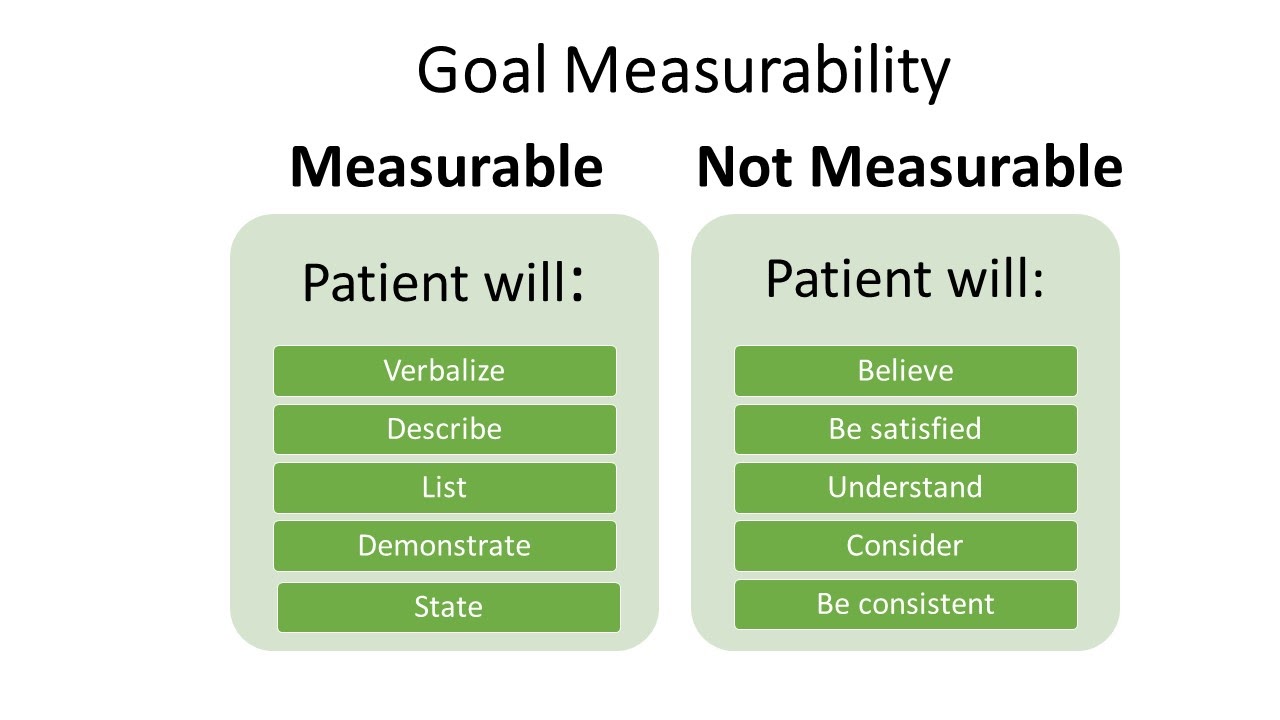 Illustration reference: OpenRN Nursing Fundamentals 2e Ch.4.5.
Key Questions to Ask
- Did the patient’s condition change as expected after the intervention?
- Were the expected outcomes achieved within the anticipated time frame?
- Are there new cues indicating improvement, deterioration, or a different problem?
- What do objective trends and subjective reports together indicate about recovery direction?
- Is the patient understanding and following key teaching points (e.g., medication and exercise plan)?
- Does the care plan need to be continued, modified, or discontinued?
- What should be communicated to the team about the patient’s response?
Nursing Application
- Reassess the patient’s relevant parameters shortly after each intervention (e.g., pain scale, vital signs, lung sounds).
- Compare current findings to the baseline established before intervention.
- Determine patient progress explicitly against planned outcomes before selecting the next care-path decision.
- Review current objective data (vitals, scores, functional progress measures) and subjective reports together before concluding effectiveness.
- Use goal-criteria language (e.g., “Patient rates pain ≤3/10 within 30 minutes”) to objectively judge goal achievement.
- Evaluate adherence and understanding of teaching instructions because poor follow-through may explain unmet outcomes.
- Document the patient’s response to treatment with time-stamped observations.
- Use peer or interdisciplinary feedback when available to challenge blind spots and refine future judgment quality.
- Report unmet goals, unexpected responses, or new concerns to the provider promptly.
- Initiate the CJMM cycle again if new cues emerge or the original goals are not met.
NGN Focus
Evaluate Outcomes items ask whether goals were met, what the nurse should do next based on the response, or what finding indicates the intervention was effective. These items test whether the nurse can connect data to goal criteria.
Evaluation Conclusions
| Conclusion | Criteria | Action |
|---|---|---|
| Goal met | Outcome achieved within time frame | Continue or discontinue intervention as appropriate |
| Goal partially met | Some improvement, target not fully reached | Modify plan, reassess frequency |
| Goal not met | No improvement or worsening | Revise plan, escalate, notify provider |
Related Concepts
- take-action - The prior stage: implementing the selected interventions.
- recognize-cues - The cycle restarts here when new or unresolved cues emerge.
- evaluation-conclusions-goal-met-unmet-or-terminate - Framework for classifying evaluation results.
- continuity-of-care-during-evaluation-phase - How evaluation connects to care transitions and discharge planning.
- quality-assurance-and-donabedian-model-in-nursing-evaluation - Systems-level perspective on outcome evaluation.
Self-Check
- What is the difference between a goal being “partially met” and “not met”?
- Why must expected outcomes be measurable and time-bound for evaluation to be valid?
- How does the Evaluate Outcomes stage connect back to Recognize Cues in ongoing care?